Saudi Arabia joins the Hague Convention for the Authentication of Foreign Public Documents (Apostille)
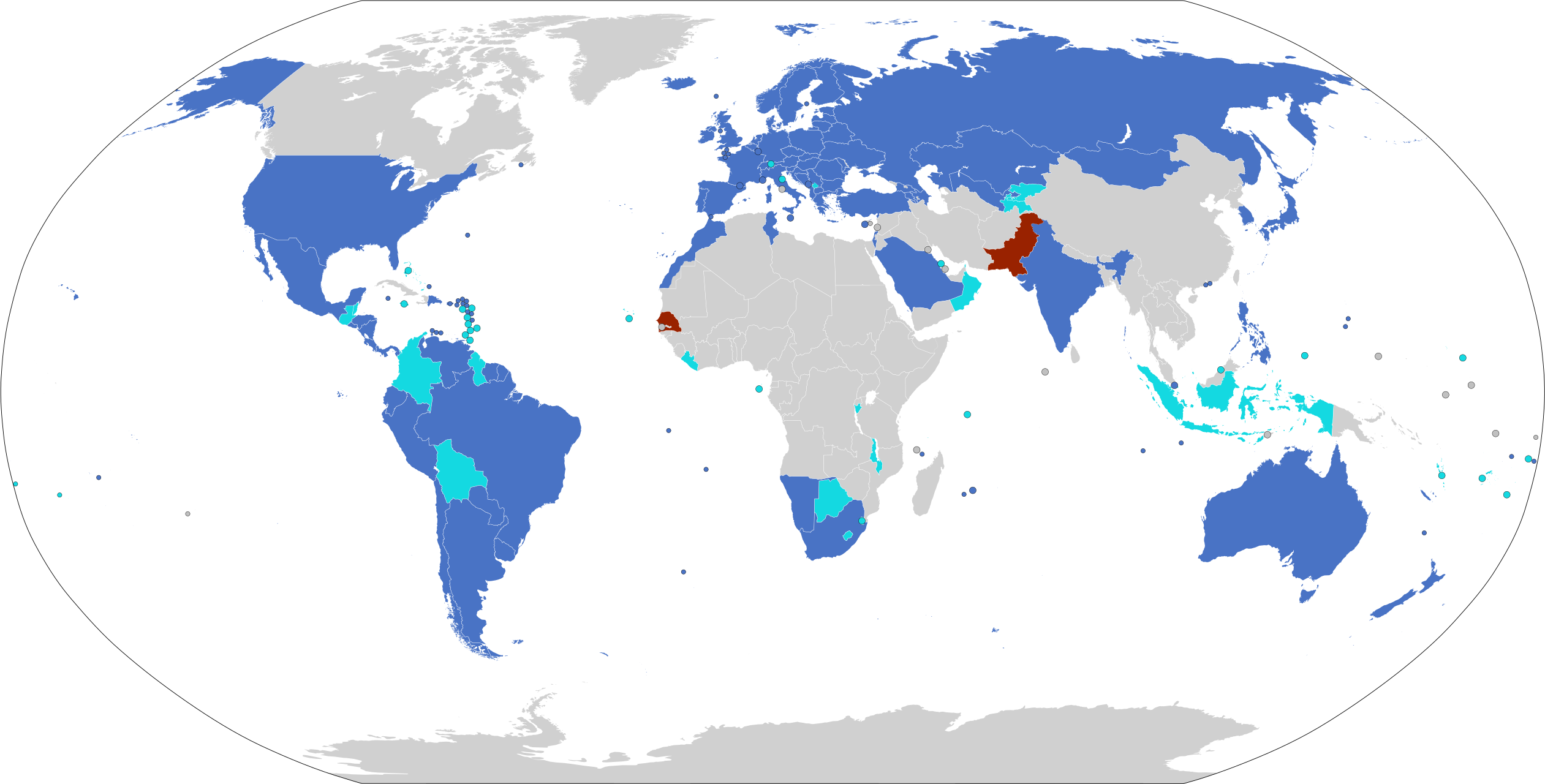
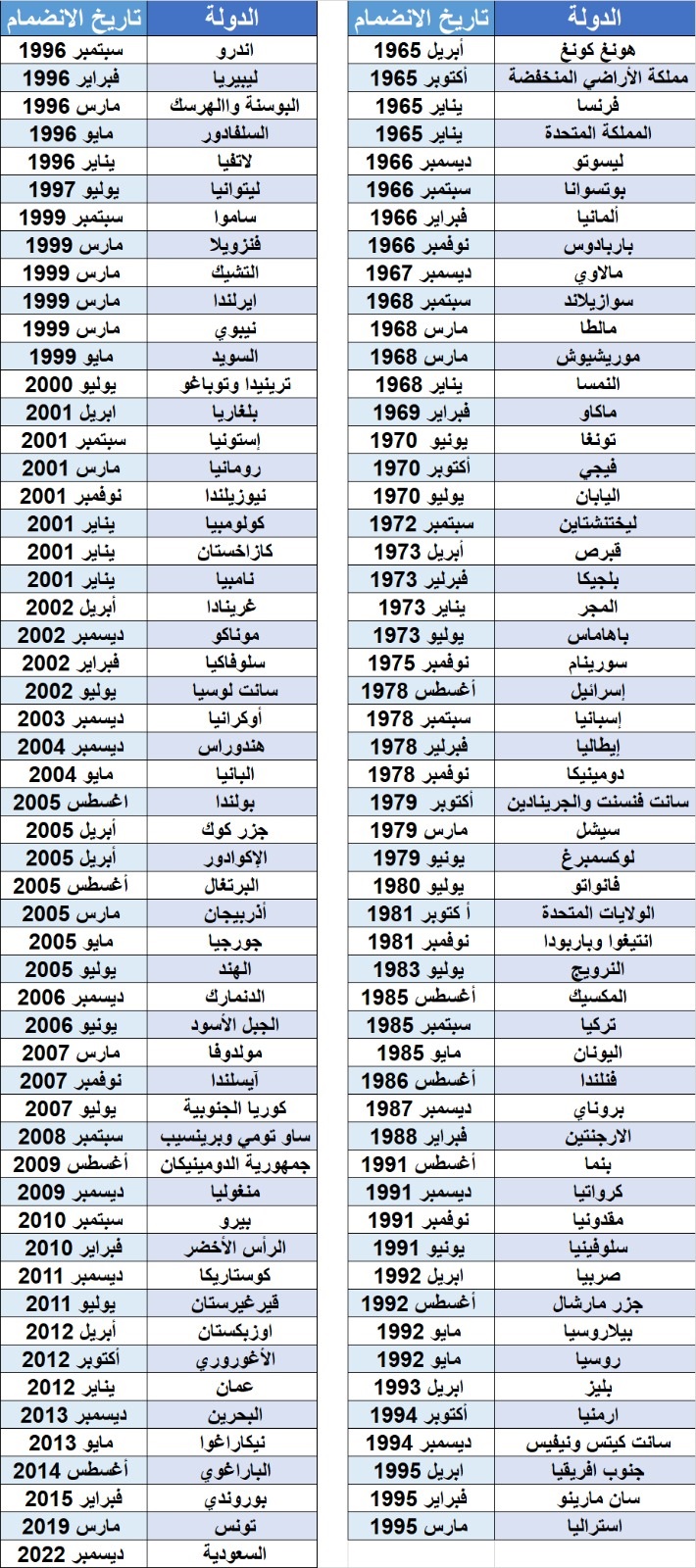
The Kingdom of Saudi Arabia joined the Hague Convention for the Authentication of Foreign Public Documents (Apostille) on December 7, 2022. The Hague Convention aims to abolish the requirement for authentication of foreign public documents. The Convention on the Abolition of the Requirement of Legalisation for Foreign Public Documents is an international treaty drafted by the Hague Conference on Private International Law, which sets out methods for authenticating a document issued in one of the signatory states for legal purposes in all other signatory states. Such authentication is called apostille, which is an international certification similar to notarization in local law and usually complements local notarization of the document.
The signatory states to this convention, desiring to abolish the mandatory authentication of foreign public documents, decided to conclude a convention for this purpose and agreed on the following provisions:
Article 1:
This convention applies to public documents executed in the territory of a contracting state and intended to be presented in the territory of another contracting state.
The following documents are considered public documents under this convention:
A) Documents issued by an authority or official belonging to the courts of the state, including documents issued by the public prosecution, or the court registry, or judicial officers (commissioners).
B) Administrative documents.
C) Notarial contracts.
D) Official statements such as registration statements and time-limited visas and certifications of signatures included in customary contracts.
Article 2:
All contracting states exempt documents that fall within the scope of this convention, intended to be presented in their territory, from authentication. In the context of this convention, authentication refers only to the formal procedure by which diplomatic and consular agents of the state in which the document is to be presented verify the signature's authenticity and the signer's capacity - and where applicable - the type of seal or stamp that the document bears.
Article 3:
The formal apostille mentioned in Article 4 issued by the competent authority of the state that issued the document is the only formal procedure required to verify the authenticity of the signature, the signer's capacity on the document - and where applicable - the type of seal or stamp that the document bears.
The formal procedure mentioned in the previous paragraph is not required if the document is exempted, simplified, or exempted from authentication under the laws, regulations, or applications in force in the state where the document is to be presented, or in the case of an agreement between two or more contracting states.
Article 4:
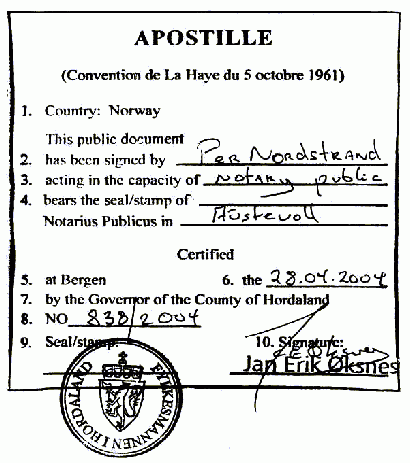
The apostille form mentioned in the first paragraph of Article 3 is placed on the main document or in a document attached to it, and it must match the model attached to this convention.
The apostille form can be drafted in the official language of the authority that issues it, and the statements included in it can also be drafted in a second language / the form must be titled in French as follows: 'Apostille (Convention de la Haye du 5 octobre 1961)'
Article 5:
The apostille form is issued at the request of the person signing the document or any holder of it.
The apostille form certifies, when filled out correctly, the authenticity of the signature and the signer's capacity on the document - and where applicable - the type of seal or stamp that the document bears.
The signature, seal, and stamp on the apostille form are exempt from any authentication.
Article 6:
Each contracting state designates the competent authorities, according to their official function, to issue the apostille form referred to in the first paragraph of Article 3.
Contracting states shall notify the Dutch Ministry of Foreign Affairs of this designation when depositing the authentication document, or joining, or declaring an extension, and shall also notify it of any changes in the designation of the relevant authorities.
Article 7:
Each authority designated in accordance with Article 6 shall maintain a register or file in which the apostilles issued are recorded, specifying the following:
A) The serial number of the apostille and its date.
B) The name of the person signing the public document and their capacity, or the name of the authority that affixed the seal or stamp if it concerns unsigned documents. The authority that issued the apostille shall verify, at the request of the concerned person, whether the data it contains matches the data in the register or file.
Article 8:
If a treaty or agreement between two or more contracting states contains provisions requiring authentication of the signature, seal, or stamp on certain formal procedures, this convention shall only apply if these formal procedures are more stringent than the formal procedures referred to in Articles 3 and 4.
Article 9:
Contracting states shall take the necessary measures to prevent their diplomatic or consular agents from authenticating documents exempt from authentication under this convention.
Article 10:
The signing of this document is open to the states represented at the ninth session of the Hague Conference on Private International Law, as well as Iceland, Ireland, Liechtenstein, and Turkey.
The convention shall be authenticated and the authentication documents shall be deposited with the Dutch Ministry of Foreign Affairs.
Article 11:
This convention shall enter into force on the sixtieth day following the date of deposit of the third authentication document referred to in the second paragraph of Article 10.
The convention shall enter into force for the signing states that subsequently ratify it on the sixtieth day following the date of deposit of their ratification document.
Article 12:
Countries not mentioned in Article 10 have the right to join this agreement after it comes into force in accordance with paragraph one of Article 11, and the instrument of accession shall be deposited with the Dutch Ministry of Foreign Affairs.
Accession shall only be effective regarding the relations between the acceding state and those contracting states that did not object to its accession within six months following the date of receipt of the notification referred to in subparagraph (d) of Article 15.
The Dutch Ministry of Foreign Affairs shall be notified of any similar objection.
The agreement shall come into force between the acceding state and the states that did not object to its accession on the sixtieth day following the expiration of the six-month period mentioned in the previous paragraph.
Article 13:
Any state, upon signing, ratifying, or acceding, has the right to declare that this agreement will extend to all areas it represents internationally, or to one or more specific areas, and this declaration shall take effect on the date the agreement comes into force for the concerned state.
The Dutch Ministry of Foreign Affairs shall be notified of these extensions at any time thereafter.
In the case of a declaration by any state that signed and ratified the agreement regarding the extension, this agreement shall come into force for the concerned areas in accordance with Article 11.
In the case of a declaration by any acceding state regarding the extension, the agreement shall come into force for the concerned areas in accordance with Article 12.
Article 14:
This agreement shall remain in force for five years from the date it comes into force, in accordance with paragraph one of Article 11, even for states that ratified or acceded later.
The agreement shall automatically renew every five years, unless a formal notice of termination is issued.
The Ministry of Foreign Affairs of the Kingdom of the Netherlands shall be notified of any formal notice of termination of the agreement at least six months before the expiration of the five-year period, and this may be limited to specific areas to which the agreement applies.
The formal notice of termination of the agreement shall only apply to the state that notified it, while the agreement remains in force for the other contracting states.
Article 15:
The Ministry of Foreign Affairs of the Kingdom of the Netherlands shall inform the states referred to in Article 10 and the acceding states in accordance with Article 12 of the following:
a) The notifications referred to in paragraph two of Article 6.
b) The signatures and ratifications referred to in Article 10.
c) The date this agreement comes into force in accordance with paragraph one of Article 11.
d) The accession and objections referred to in Article 12 and the date of effect of the accession.
e) The extensions referred to in Article 13 and the date of their effect.
f) The formal notices of termination of the agreement referred to in paragraph three of Article 14.
Accordingly, the authorized representatives signed this agreement.
Done at The Hague on the fifth day of October 1961, in both English and French. In case of a conflict between the two texts, the French text shall prevail.
One copy shall be deposited with the Government of the Netherlands, and a certified copy shall be sent through diplomatic channels to all states represented at the ninth session of the Hague Conference on Private International Law, as well as to Iceland, Ireland, Liechtenstein, and Turkey.
Member states of the Apostille Convention